Free general lifestyle information only — not medical, dietary, or professional advice. About · Privacy · Cookies · Terms
Cultural Context

Seasonal & Local Products: Eating With Dutch Rhythms

The Netherlands imports year-round, yet local seasons still shape flavour, price, and community habits. Aligning variety with what grows nearby is less about restriction and more about timing — catching asparagus in spring, roots in winter, and greenhouse gems when fields rest.

Practical Menu Swaps

Reading the Dutch Seasonal Calendar

Northwest European seasons are subtle but real. Spring brings rhubarb and early lettuce; summer floods markets with tomatoes, courgettes, and berries; autumn offers pears, pumpkins, and mushrooms from Limburg forests; winter leans on kale, potatoes, onions, and stored apples from Gelderland orchards.

Supermarkets blur these lines with imports — Peruvian asparagus in December, for example — but market stalls often label origin clearly. Choosing Dutch or nearby EU produce when quality peaks teaches your palate what freshness actually tastes like, which makes later imports feel optional rather than mandatory.

A simple notebook entry each month — “what tasted best this week?” — builds personal seasonal memory faster than any chart. Over a year, you notice you prefer local strawberries in June, not January, and plan variety around anticipation instead of boredom.

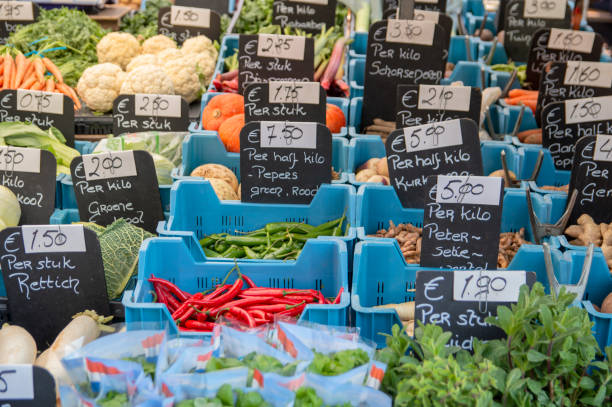
Amsterdam market stall with seasonal vegetables

Cultural Layers on the Plate

Amsterdam’s food culture is layered: Dutch practicality, colonial spice routes, and modern migration from Suriname, Turkey, Morocco, Indonesia, and beyond.

Dutch Foundations

Brown bread, dairy, herring, pea soup, and stamppot reflect climate and history. These are not “old-fashioned” obstacles to diversity — they are anchors you can rotate around. Stamppot with kale one week and with sauerkraut another already varies fibre and fermentation exposure.

Market Multiculture

Dappermarkt and Albert Cuyp offer spices, tropical fruit, and legumes that widen weekly menus without flying to another country. Buying small quantities of unfamiliar ingredients lowers risk — a single pomelo or piece of cassava is an experiment, not a commitment.

Shared Tables

Potluck dinners where each guest brings a dish from family tradition naturally diversify the table. The social frame matters: people explain ingredients, techniques, and memories — turning eating into learning without a lecture.

Root vegetables and stored apples in winter storage

Winter Diversity Without Tropical Dependence

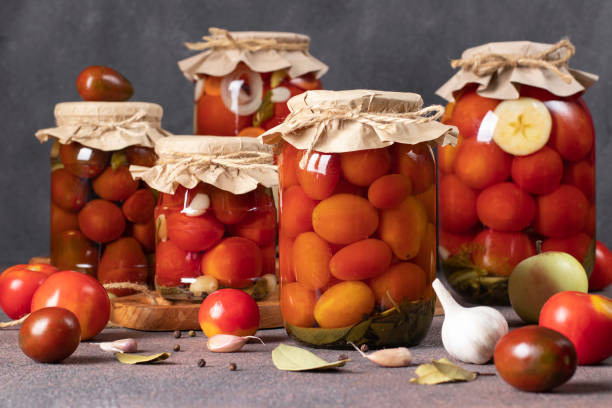
Winter often triggers repetitive starch-heavy meals. Counter that with preserved and fermented local options: sauerkraut, pickled onions, dried mushrooms, and frozen summer vegetables you batch-prepped. Fermentation adds flavour complexity and introduces probiotic bacteria studied for gut ecology — another form of dietary diversity.

Cabbage family crops thrive in Dutch winters. Red cabbage braised with apple, kale in smoothies, and turnip mash rotate textures while staying regional. Pair with tinned fish — herring, sardines, mackerel — for protein without relying on fresh counter fish priced for holidays.

Greenhouse cucumbers and tomatoes continue year-round from Westland growers; treat them as supporting actors in winter rather than salad centrepieces, and let roots and brassicas lead.

Local Shopping Routes in Amsterdam

  • Nieuwmarkt (Sat): organic stalls and small-batch cheese — good for one specialty item weekly.
  • Noord farmers (various): weekend stands with apples, eggs, and honey — check social boards for hours.
  • Neighbourhood Albert Heijn / Jumbo: read “Vers van Nederland” labels for greenhouse and field produce.
  • Specialty shops on Javastraat: spices and legumes that complement local vegetables without replacing them.

Less Waste, More Rotation

Seasonal eating often reduces waste because produce stays fresh longer and costs less at peak. Buy the odd-shaped apple, the last bunch of herbs, and plan soup — diversity and sustainability overlap when you cook flexibly. Broccoli stems slice into stir-fries; parmesan rinds flavour broth; stale bread becomes pangrattato. These habits stretch variety from ingredients you already purchased.

Health & Safety Guidelines

Home Fermentation

Use clean jars, sufficient salt, and trusted recipes. Discard ferments with mould or off smells. NVWA resources cover safe preservation basics.

Foraged Mushrooms

Do not eat wild mushrooms without expert identification. Market cultivated varieties are safer for beginners exploring umami diversity.

Transport & Storage

Keep chilled items cold on the bike ride home — especially fish and dairy in summer. Rotate pantry stock first-in-first-out to avoid expired legumes and grains.

Events Calendar

DateEventLocationFocus
10 Jul 2026Seasonal Basket WalkNieuwmarktIdentify peak produce; optional shared soup recipe
24 Aug 2026Heritage Flavours EveningBlasiusstraat 144Dishes from Amsterdam communities; swap sourcing tips

FAQs

Not always — greenhouse tomatoes in winter may beat wilted “local” field crops. The goal is peak quality and rotation, not rigid rules.
Yes. Roots, cabbage, eggs, and tinned fish are often affordable in winter. Buy fruit at peak and freeze portions for later smoothies.