Free general lifestyle information only — not medical, dietary, or professional advice. About · Privacy · Cookies · Terms
Amsterdam, Netherlands

Free Guides to Diversity in Everyday Eating

Rotating proteins, fats, and carbohydrates from different sources sounds simple on paper — yet most weekday menus quietly repeat the same five ingredients. Here we share practical ideas to make meals more interesting and culturally richer, without selling supplements, meal plans, or medical services.

A 2020 review in Nutrients noted that dietary diversity scores often correlate with broader micronutrient intake — not because one magic food exists, but because rotation naturally spreads vitamins and minerals across the week.

Why Everyday Variety Is Worth Talking About

When people hear “diverse diet,” they sometimes picture exotic imports or complicated meal plans. In practice, diversity often means choosing lentils on Tuesday instead of chicken again, or adding shredded carrot to a lunch you already make. The goal is rotation, not perfection.

Research on dietary diversity indices suggests that people who eat from a wider range of food groups tend to cover more micronutrients without obsessively tracking numbers. That matters in the Netherlands, where supermarket aisles are full of options — yet many households fall into a comfortable rut of pasta, bread, and the same two vegetables.

Variety also supports flexibility: when your favourite ingredient is out of season or over budget, you already know three substitutes. That reduces food waste and makes shopping less stressful. Think of diversity as a practical skill — like learning alternate routes to work — rather than a rigid rulebook.

Throughout this site, we focus on concrete swaps, seasonal awareness, and the psychology of trying something new. Everything here is general lifestyle information; for personal dietary questions, speak with a qualified professional in your area.

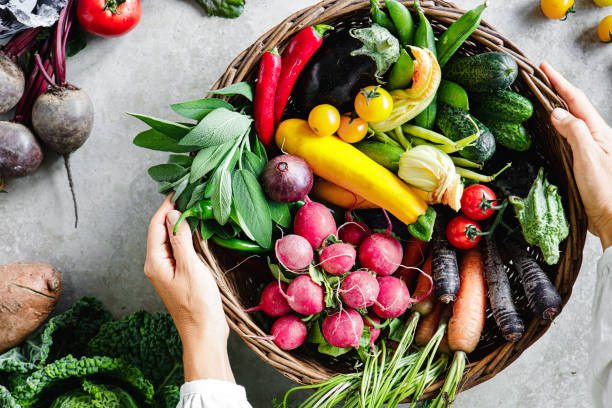
Assorted fresh vegetables arranged on a kitchen counter

Balancing Proteins, Fats, and Carbohydrates

Macronutrients from different sources bring different supporting nutrients along for the ride. Rotating sources is one of the simplest ways to widen your nutritional footprint without counting every gram.

Proteins from Many Channels

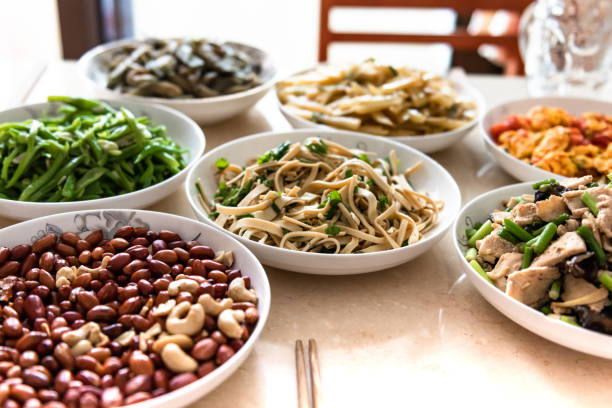
Chicken and eggs are familiar anchors in Dutch kitchens, but chickpeas, tempeh, cottage cheese, and tinned mackerel each offer a different amino acid profile and mineral package. A practical approach: pick one “new” protein each week — smoked tofu in a stir-fry, or canned white beans in soup — and notice whether it fits your schedule. Studies on plant and animal protein combinations show that mixing sources across days supports adequate intake without requiring every meal to be perfectly balanced.
Fats That Carry Flavour

Not all fats behave the same on the plate. Olive oil suits warm salads; rapeseed oil handles higher heat; walnuts and flaxseed contribute omega-3 fatty acids that many Western diets under-represent. Rather than labelling fats “good” or “bad,” think about rotation: drizzle, spread, and sprinkle different sources across the week. A handful of pumpkin seeds on porridge, avocado on rye bread, and a spoon of tahini in dressing already counts as meaningful variety.

Carbohydrates Beyond White Bread

Carbohydrates fuel daily activity, but the fibre and micronutrient context changes dramatically by source. Buckwheat, oats, sweet potato, and wholegrain pasta digest differently and feed gut bacteria in distinct ways. If your default is white bread at lunch, try swapping one day for rye crackers with hummus, or batch-cook barley for grain bowls. The habit matters more than any single “super” starch.

Read the Full Nutrient Balance Guide

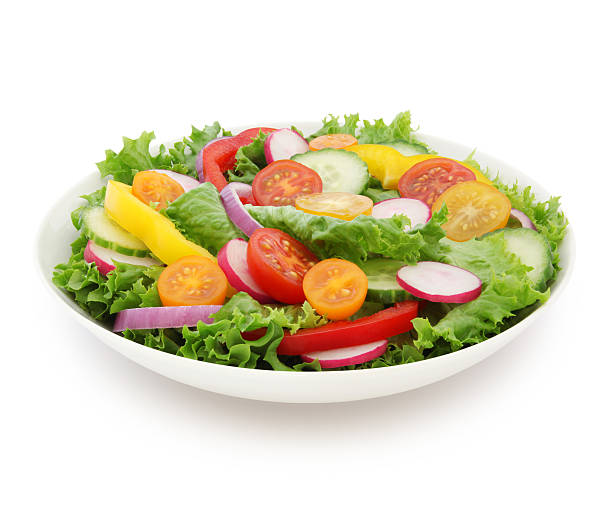
Colourful plate with green salad, red tomatoes, and yellow peppers

The Colourful Plate Principle

Colour on the plate is a rough visual shortcut for phytonutrient diversity. Green vegetables often carry folate and vitamin K; red and purple foods contribute anthocyanins; orange and yellow produce tend toward beta-carotene. No single colour covers everything — which is exactly why rotation helps.

At the market in Amsterdam, a quick scan of your basket can reveal gaps: all beige starches and no green, or plenty of red tomato but no yellow pepper. The “colourful plate” idea is not about painting a rainbow every meal; it is about noticing when one hue dominates for days and gently correcting course.

Start with lunch — the meal most people control — and aim for two colours beside your main carbohydrate. Baby spinach under eggs, grated beet in salad, or a few mango cubes in yoghurt each take under a minute. Small additions compound over a month.

Deep Dive: Colour & Antioxidants

Colourful Plate Calculator

Type the foods on your plate — one per line or separated by commas. We highlight whether green, red, and yellow groups are represented. This is a visual awareness tool only — not a nutritional assessment or medical advice.

Seasonal & Local: A Cultural Lens

Eating with the Dutch seasons connects you to regional growers, sharper flavours, and often lower prices at Nieuwmarkt or local farm stalls.

Winter Roots

From November through February, parsnips, kale, and stored apples dominate northern European fields. Roasting root vegetables with rosemary turns a simple tray into a centrepiece. Cabbage varieties — white, red, savoy — stay affordable and last weeks in the fridge, making them ideal for slaws and soups when salad greens are imported and pricey.

Spring & Summer Harvest

Asparagus season (roughly April–June) is a cultural marker in the Netherlands — brief, celebrated, and best eaten simply with butter or a soft egg. Summer brings greenhouse tomatoes, cucumbers, and berries from Noord-Holland farms. Building meals around what is abundant reduces transport miles and often tastes better because produce is picked closer to ripeness.

Local Staples Worth Rotating

Dutch cuisine already offers diversity anchors: brown bread, Gouda and younger cheeses, herring, stroopwafels in moderation, and legume soups. Pairing these with immigrant-market spices — Surinamese pom, Turkish bulgur, Indonesian tempeh — reflects how Amsterdam eats today. Local does not mean monoculture; it means knowing what grows nearby and what communities nearby cook well.

Seasonal Eating Guide

Keeping Meals Interesting

Food is not mental health treatment. Monotonous eating can make daily life feel flat — especially when work stress narrows your choices to whatever is fastest. Introducing one unfamiliar texture or flavour each week adds a small spark of curiosity that some people find enjoyable.

Sensory novelty — a different herb, a new grain, eating lunch outdoors — can interrupt routine without requiring major life changes. The key is low stakes: a micro-experiment, not a diet overhaul. If you dislike za'atar on eggs, you simply skip it next time.

Shared meals can add social connection. Cooking a simple carrot salad for friends or swapping recipes with neighbours turns variety into a social activity — separate from any nutrient chart or clinical outcome.

Explore Mood & Food Variety
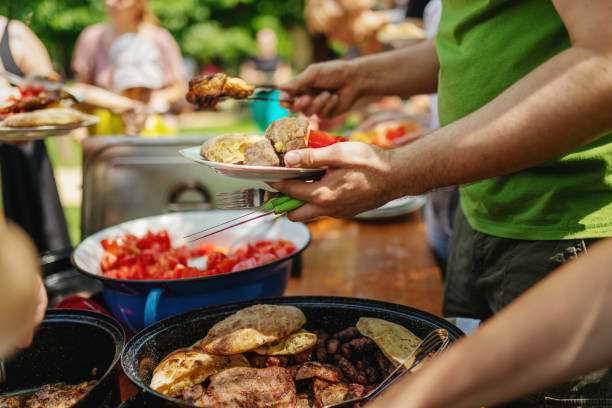
Person enjoying a varied homemade lunch at a bright table

Practical Swaps & Micro-Experiments

Big changes fail when they fight your routine. These swaps slot into meals you already cook — no extra shopping trip required.

  1. Breakfast rotation: Alternate oats, rye bread, and yoghurt across three weekdays. Add one rotating topping — frozen berries, sliced banana, or seeded granola — so each morning feels slightly different.
  2. Lunch colour rule: Keep your sandwich or grain bowl base, but change the vegetable side daily: Monday cucumber, Tuesday grated carrot, Wednesday leftover roasted peppers.
  3. Protein swap jar: Label three jars “legumes,” “dairy,” “fish/tofu.” Pick one jar at random when planning dinner — a playful nudge toward rotation without a spreadsheet.
  4. Herb week: Buy one fresh herb (dill, coriander, mint) and use it in three dishes before it wilts. You learn the flavour and reduce waste.

More Practical Menu Ideas

What This Site Is — and Is Not

Clear boundaries help you decide whether our content fits your needs.

  • We are: a free lifestyle information site based in Amsterdam, publishing guides on everyday meal variety and optional community meetups.
  • We are not: a medical clinic, registered dietitian practice, supplement shop, or paid coaching programme.
  • We do not: sell products, promise weight-loss or health outcomes, or provide personalised dietary plans for medical conditions.
  • We recommend: speaking with qualified professionals in the Netherlands for pregnancy, allergies, chronic conditions, or paediatric feeding.

Read About Us

Health & Safety Guidelines

General reminders when exploring new foods — informational only, not personalised guidance.

Storage & Handling

Refrigerate leftovers within two hours. Reheat rice and legumes thoroughly. Check use-by dates on dairy and fish from Dutch supermarkets — NVWA guidelines apply nationwide.

Allergies & Intolerances

Introduce one new ingredient at a time if you manage allergies. Read labels for cross-contamination warnings common in EU packaging. This site does not replace allergist or dietitian advice.

When to Seek Professional Input

Pregnancy, chronic conditions, paediatric feeding, or significant dietary changes warrant advice from licensed professionals in the Netherlands. Our content describes general lifestyle patterns only.

Events Calendar

Informal gatherings and online sessions about everyday meal variety — not clinical services or therapy.

DateEventLocationFocus
8 Jul 2026 Colourful Lunch Lab Blasiusstraat 144, Amsterdam Build a three-colour lunch from market ingredients; swap ideas with neighbours
22 Jul 2026 Seasonal Basket Walk Nieuwmarkt area Guided stroll noting what is in season; optional recipe handout
5 Aug 2026 Online Micro-Swap Circle Video call Share one weekly swap that worked; 45-minute informal discussion
19 Aug 2026 Heritage Flavours Evening Blasiusstraat 144, Amsterdam Rotating dishes from Amsterdam communities; focus on variety, not rules

Events are informational social gatherings. Contact us to register or suggest a topic.

Community table with varied seasonal dishes

Whether you join in person near Oost or online from elsewhere in the Netherlands, sessions stay short and practical. Bring curiosity and a notebook — we focus on habits you can repeat on a busy Wednesday, not one-off demonstrations that fade by Friday.

Frequently Asked Questions

No. Most people benefit from rotation and colour awareness rather than spreadsheets. If you have specific requirements, a registered dietitian in the Netherlands can offer tailored guidance.
Not necessarily. Conventional seasonal produce from local markets still widens your nutrient range. Choose what fits your budget and storage space — variety matters more than labels alone.
One or two is plenty. A new grain, herb, or vegetable keeps things manageable. Consistency over months beats intensity for a single week.
No. We share general lifestyle information and host optional community events. For clinical nutrition, consult licensed professionals.