Free general lifestyle information only — not medical, dietary, or professional advice. About · Privacy · Cookies · Terms
Practicality

Simple Swaps & Micro-Experiments for Everyday Menus

The best rotation system is one you forget is a system — it should feel like slight edits to meals you already cook, not a second job after work.

Check Your Plate Colours

Breakfast: Three Bases, Endless Edits

Most Amsterdam mornings allow roughly ten minutes. Pick a base — oats, rye bread, or yoghurt — and rotate toppings by weekday: Monday frozen berries, Tuesday sliced banana and cinnamon, Wednesday grated apple and walnuts, Thursday peanut butter and chia, Friday leftover roasted vegetables on toast (sounds odd, tastes great with salt and pepper).

Swap milk for fortified oat drink once a week, or stir in cottage cheese for protein without cooking eggs. The base stays familiar; the variation prevents flavour fatigue that pushes people toward sugary pastries at the train station.

Batch overnight oats in two jars with different spices — cardamom in one, cocoa in another — so choice exists even when you grab breakfast half-asleep.

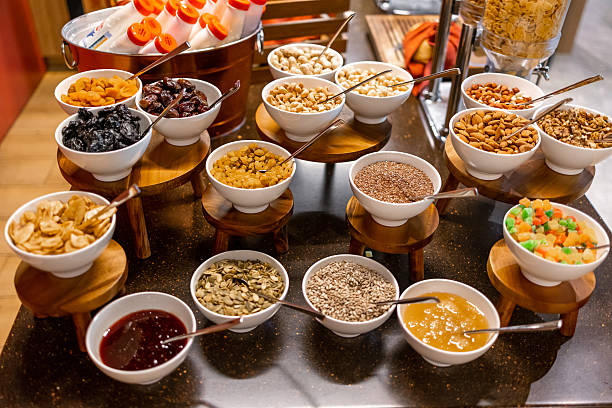
Varied breakfast bowls with different toppings

Lunch Swaps That Fit a Work Bag

Same Bread, New Fillings

Keep brown bread constant; rotate fillings weekly: hummus and grated carrot; cottage cheese and cucumber; tinned mackerel with lemon; leftover roasted peppers with feta. Each swap changes fat profile and colour without new containers or recipes.

Grain Jar Method

Cook bulgur or barley once; layer in jars with different dressings — tahini-lemon, yoghurt-dill, soy-ginger. Three lunches from one pot. Add cherry tomatoes or frozen peas for colour at assembly time.

Soup Rotation

Blend leftover vegetables with stock on Sunday — base soup. Mid-week, stir in different proteins: lentils one day, shredded chicken another, silken tofu third. Same technique, distinct meals.

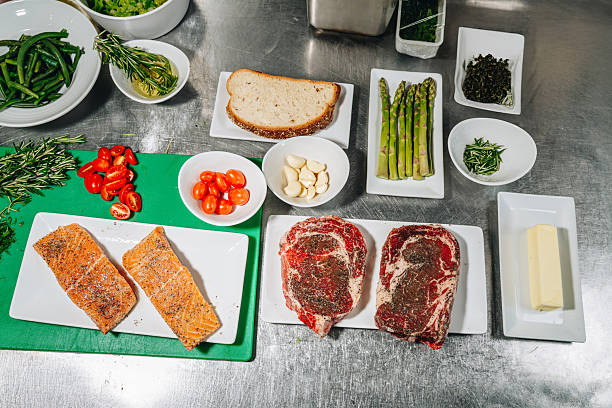
Weeknight dinner ingredients prepped for quick cooking

Dinner: The Protein Wheel

Draw a simple wheel on paper — quadrants labelled legumes, fish, poultry/meat, dairy/eggs/plant alt. Spin mentally each evening or assign days: Meatless Monday, Fish Wednesday, Egg Thursday, Legume Friday. The structure removes “what should we eat?” paralysis.

Keep a frozen vegetable mix and a fresh herb in the freezer-door — universal side dishes that adapt to any quadrant. Stir-fry tempeh on legume night; bake salmon on fish night; shakshuka on egg night. Total active time under twenty-five minutes if pans are hot before chopping finishes.

When takeaway temptation hits, upgrade instead of replacing: add a bagged salad to ordered pizza night, or split one rich dish and cook a simple vegetable side at home. Diversity grows at the margins.

Micro-Experiments Log

Track one-line results so successes repeat and flops fade without guilt.

Worked

Smoked paprika on roasted chickpeas; pickle juice splash in potato salad; frozen spinach in omelette batter — invisible, effective.

Skip Next Time

Cinnamon on savoury lentils (for us, odd); mango in tuna salad (texture clash); too much turmeric in rice (bitter). Notes saved effort later.

Retry Later

Fennel raw in salad — might work shaved thinner; bitter melon stir-fry — acquire taste; rye pasta — better with robust sauce.

One Shopping List, Five Directions

  1. Buy: eggs, tinned chickpeas, frozen veg mix, yoghurt, one fresh herb, one new grain (farro), lemons.
  2. Meal 1: farro bowl with chickpeas, frozen veg, lemon-herb yoghurt dressing.
  3. Meal 2: omelette with frozen spinach and herb.
  4. Meal 3: chickpea mash on toast with lemon and side salad.
  5. Meal 4: fried rice-style farro with frozen veg and egg.
  6. Meal 5: herbed yoghurt dip with raw veg and leftover farro patties pan-fried.

Health & Safety Guidelines

Leftover Timing

Refrigerate cooked grains and proteins within two hours. Eat within three to four days or freeze portions labelled with dates.

Tinned Fish

Check best-before dates; rinse if sodium is a concern for your situation — discuss with a professional if unsure.

Family Adaptation

Introduce new swaps gradually for children. Separate components — deconstructed plates — reduce pressure at shared meals.

Events Calendar

DateEventLocationFocus
8 Jul 2026Colourful Lunch LabBlasiusstraat 144Pack five swaps into one work-week lunch plan
2 Sep 2026Swap Notebook ClinicOnlineReview micro-experiment logs together; steal ideas politely

FAQs

Aim for under five extra minutes. If a swap adds stress, simplify — variety should reduce friction, not create it.
Serve new items as optional sides. Repeated neutral exposure without pressure works better than forced tasting for many families.